
Do you have Numbness/ Tingling or a Deep Ache?

Numbness, tingling, burning, or deep aching pain are often signs that nerves, joints, or surrounding tissues are not moving or functioning as they should. These sensations may appear in the wrist, hand, hip, leg, shoulder, or neck, but the source is not always where the symptoms are felt.
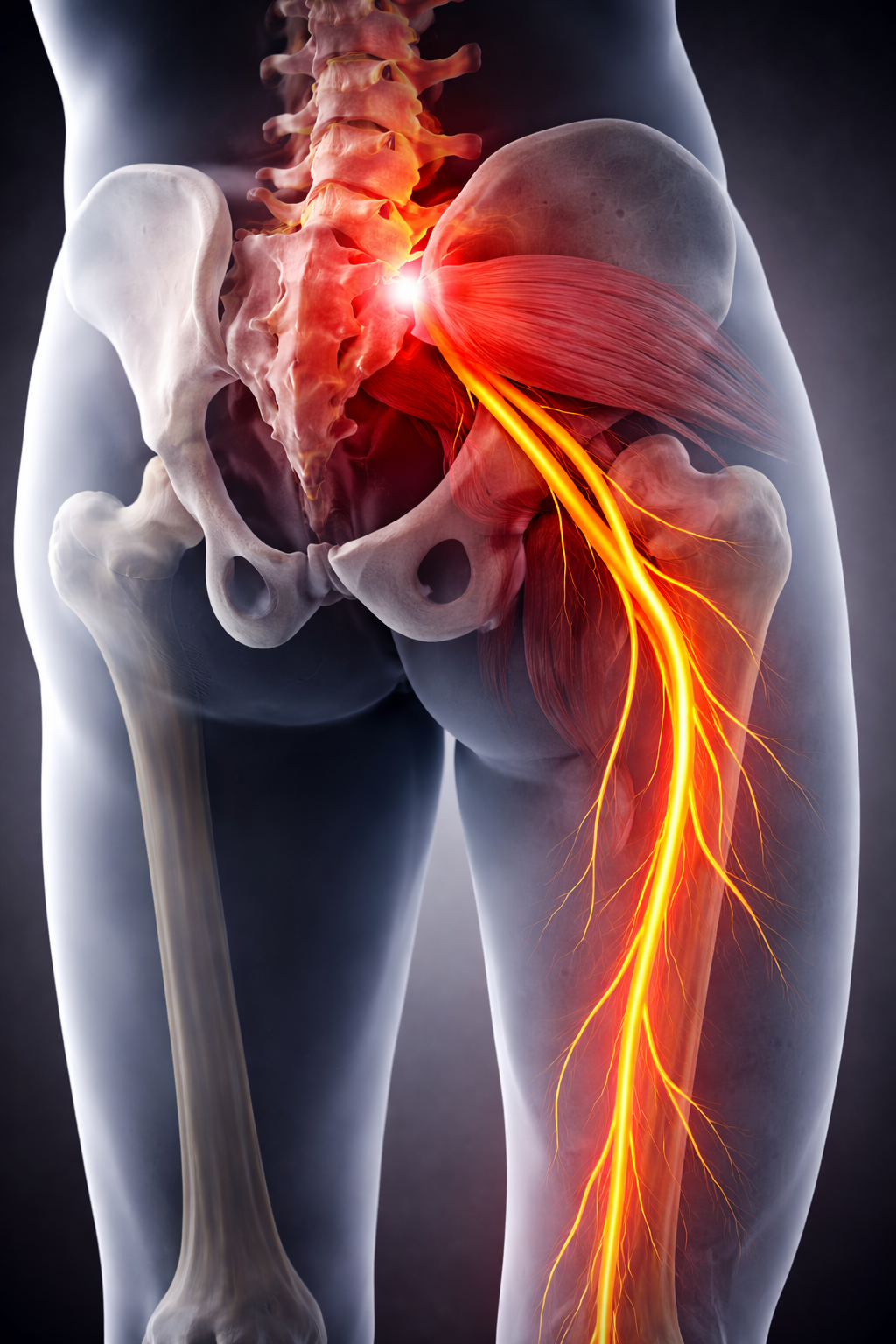
Illustration showing sacroiliac joint inflammation with radiating pain from the low back through the hip and down the leg, commonly associated with SI joint dysfunction and sciatica

Where you feel the pain may not be the problem…..

Many people assume numbness or tingling means a local problem, such as the wrist, hip, or shoulder. In reality, these symptoms can be influenced by nerve irritation, joint restriction, muscle tension, posture, or spinal alignment higher up the chain.
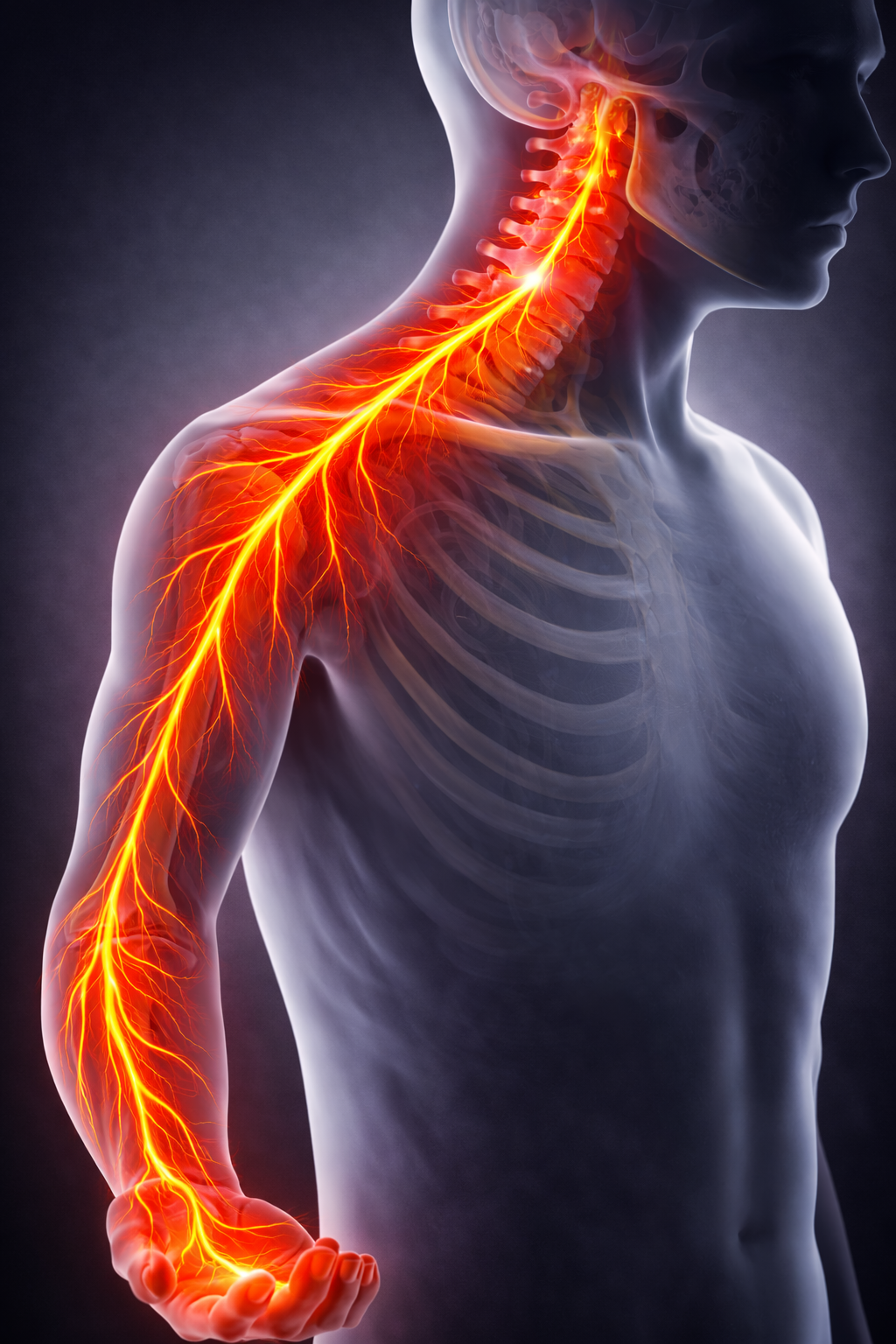
For example, hand tingling may be affected by the wrist, elbow, shoulder, or neck. Hip pain or deep aching in the leg may involve the lumbar spine, pelvis, or surrounding stabilizing muscles. Without evaluating the full pathway by Dr. Shelton the true problem could be missed.

If you are experiencing numbness, tingling, or deep aching pain and want a clear explanation of what may be contributing, a comprehensive chiropractic evaluation can help determine the next appropriate step.

At Global Chiropractic Plano Frisco, we focus on identifying why symptoms are occurring, not just where they show up. Every evaluation assesses joint motion, nerve pathways, posture, and movement patterns to identify potential contributors to your discomfort.

Illustration showing cervical spine inflammation with nerve irritation radiating from the neck into the back of the head, commonly associated with cervicogenic headache and upper cervical dysfunction

Questions about Nerve Pain?

A “pinched nerve” is a term people often use to describe symptoms like numbness, tingling, burning, weakness, or radiating pain. While these sensations can involve nerve irritation, they are not always caused by a nerve being physically pinched.
Nerves can become irritated or sensitive due to several factors, including restricted joint motion, inflammation, muscle tension, posture, or changes in spinal mechanics. In some cases, symptoms felt in the hand, arm, hip, or leg may originate from the spine or another area along the nerve pathway, not where the discomfort is felt.
Determining whether a true nerve compression is present requires a proper evaluation. A Chiropractic exam done by Dr. Shelton at Global Chiropractic Plano Frisco focuses on movement, joint function, nerve pathways, and posture to help identify what may be contributing to your symptoms and whether further care or referral is appropriate.
If symptoms are persistent, worsening, or spreading, an evaluation can help clarify what is happening rather than relying on assumptions based on symptoms alone.

Symptoms commonly associated with a pinched or irritated nerve can include numbness, tingling, burning sensations, sharp or shooting pain, weakness, or a deep aching discomfort that travels along an arm or leg. These sensations may come and go, worsen with certain positions, or change with movement.
However, symptoms alone do not confirm a true nerve compression. Similar sensations can also occur when joints are not moving well, muscles are tight or imbalanced, posture places stress on nerve pathways, or the spine is not functioning optimally. In many cases, people feel nerve-related symptoms without having a structurally “pinched” nerve.
Because nerve symptoms can be influenced by multiple factors, evaluating movement, joint mechanics, posture, and the full nerve pathway is essential to understanding what is actually contributing to how you feel.

Yes. Nerves that supply the arms and hands originate in the cervical spine. Restricted motion, joint irritation, or muscle tension in the neck or upper back can affect nerve signaling and cause tingling, weakness, or altered sensation in the arm or hand, even when neck pain is minimal.

If numbness, tingling, or deep aching pain persists, worsens, or interferes with daily activities, an evaluation can help identify contributing factors and appropriate next steps. Early assessment is especially important when symptoms recur or change over time.

Deep aching pain in the hip or leg may be influenced by joint mechanics of the hip, pelvis, or lower spine, as well as surrounding muscle tension or nerve involvement. Pain felt in the hip does not always originate there. Movement patterns, spinal alignment, and load distribution all matter when identifying the source..

Chiropractic evaluations focus on joint motion, nerve pathways, posture, and movement patterns. Rather than treating symptoms in isolation, the goal is to understand how different regions of the body interact and whether restricted motion or irritation may be contributing to symptoms such as numbness, tingling, or deep aching pain.